
Addiction
Key Points
- Hash is much stronger than regular marijuana - Made from concentrated cannabis resin, hash contains far higher levels of THC than regular marijuana, leading to more intense and unpredictable effects that can be dangerous, especially for first-time users.
- It can quickly lead to addiction - The concentrated nature of hash makes it easier to develop tolerance and dependence. About 1 in 10 cannabis users develop addiction problems, and hash users face even greater risks due to its potency.
- Recovery is possible with the right help - Hash addiction is a treatable medical condition. Professional treatment programs that include medical detox, therapy, and ongoing support have helped thousands of people successfully overcome cannabis dependency and rebuild their lives.RetryClaude can make mistakes. Please double-check responses.
Hash, short for hashish, is a concentrated cannabis resin extracted from the trichomes of marijuana plants. It contains significantly higher THC levels than regular marijuana, making it more potent and potentially more dangerous, with effects ranging from intense euphoria to serious health complications.
Cannabis products have evolved significantly over the centuries, with hashish representing one of the oldest and most concentrated forms available today. Whether you’re seeking educational information or considering treatment options, understanding what hash is and how it differs from regular marijuana is crucial for making informed decisions about cannabis use.
What is Hashish?
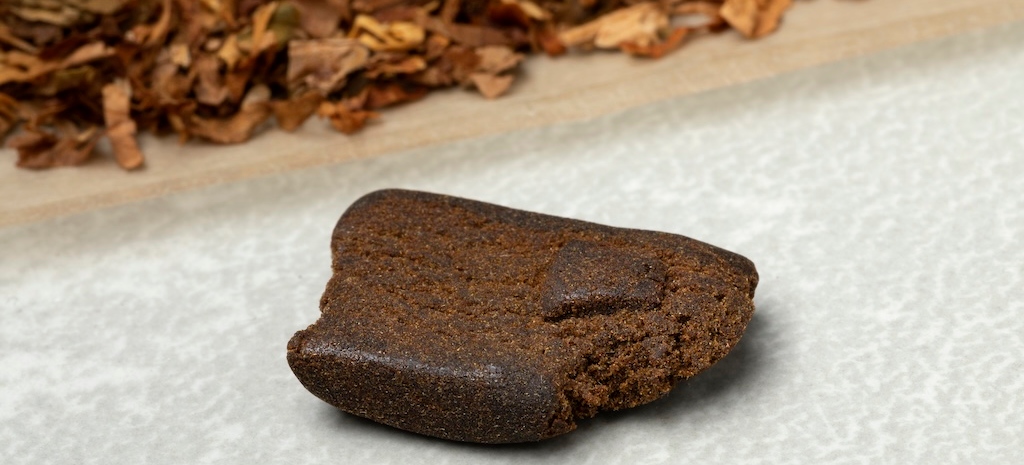
Hashish, commonly known as hash, is a psychoactive concentrate derived from the resinous trichomes found on the surface of cannabis plants. Unlike regular marijuana, which uses the dried flowers, buds, and stems of the cannabis plant, hash is created by extracting and compressing the sticky resin that contains the highest concentration of cannabinoids.
The extraction process results in a dark-colored substance that ranges from brown to dark green, typically sold in compressed bricks or balls. This concentrated form contains significantly higher levels of THC (delta-9-tetrahydrocannabinol) than traditional marijuana, making it considerably more potent and potentially more dangerous.
Common Names for Hash
Hash goes by many street names, which can make identification challenging. Some of the most common terms include:
- Hasheesh
- Shish
- Hemp
- Dab or Dabs
- Kif, Keef, or Kief
- Boom
- Charas
The word “hashish” comes from Arabic origins, which sometimes leads to confusion when discussing different cannabis products.
How is Hash Made?

Traditional hash-making methods have existed for centuries, with the process focusing on collecting the resinous trichomes from cannabis plants. The most common production methods include:
Traditional Hand-Rolling Method
This ancient technique involves rubbing cannabis plants together by hand to release the sticky sap, which is then rolled into balls. This method has historical roots in various cultures where the resin was used for medicinal and spiritual purposes.
Ice Water “Bubble Hash” Method
A more modern approach involves using ice water to separate the trichomes from the plant material. This method has gained popularity due to its efficiency and the quality of the final product.
Solvent-Free vs. Solvent-Based Extraction
While traditional hash doesn’t require solvents, modern derivatives like hash oils and waxes often use solvents in their production process. These contemporary extraction methods can dramatically increase the substance’s potency, creating highly concentrated products.
Hash vs. Marijuana: Key Differences
Understanding the differences between hash and regular marijuana is essential for recognizing their varying effects and risks.
Source Material
- Marijuana: Made from dried flowers, buds, and stems of the cannabis plant
- Hash: Created from extracted resinous trichomes containing concentrated cannabinoids
Appearance and Texture
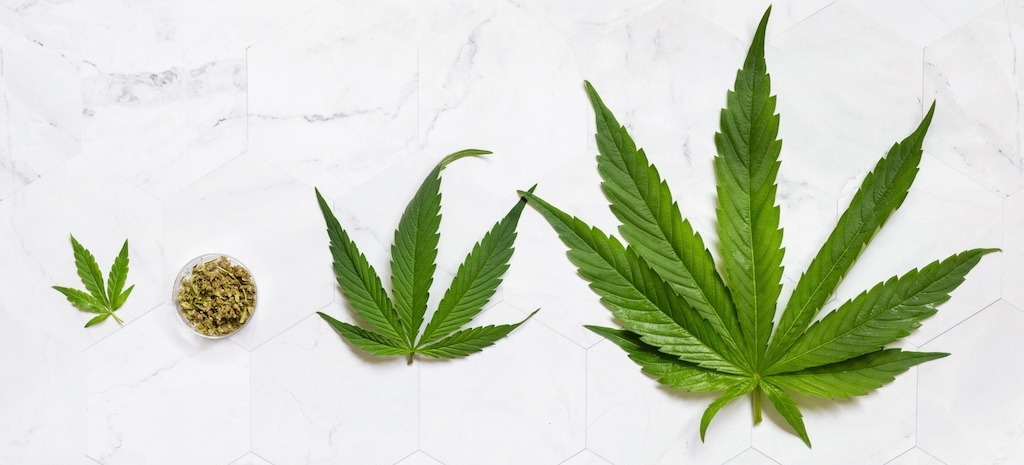
- Marijuana: Greenish-gray color with a dry, loose texture
- Hash: Dark brown to green coloring in a sticky, compressed paste form
THC Concentration
Hash contains significantly higher concentrations of THC than regular marijuana. While marijuana THC levels have increased over the years, hash remains substantially more potent due to its concentrated nature.
Methods of Consumption
Both substances can be consumed in similar ways, but hash often requires different preparation:
Hash consumption methods:
- Smoked in pipes or water pipes (bongs)
- Rolled into joints or blunts (often mixed with tobacco)
- Dabbed as a concentrate
- Used in teas or edibles
Marijuana consumption methods:
- Pipes or bongs
- Joints or blunts
- Vaporizers
- Edibles (gummies, brownies, candies, cookies)
Short-Term Effects of Hash Use

The concentrated nature of hash means its effects are typically more intense and potentially more dangerous than regular marijuana. Common short-term effects include:
Physical Effects
- Increased heart rate (tachycardia)
- Elevated blood pressure (hypertension)
- Impaired muscle control and coordination
- Increased appetite
- Reduced motor coordination
Psychological Effects
- Anxiety and paranoia
- Attention and concentration problems
- Panic episodes
- Altered perception of time and reality
- In severe cases, hallucinations or delusions
These effects can be particularly dangerous when hash contains contaminated substances, as illegal dealers sometimes add unknown compounds to increase volume and profits.
Long-Term Health Consequences
Regular hash use can lead to serious long-term health complications that extend far beyond the immediate psychoactive effects:
Physical Health Issues
- Respiratory problems and lung damage from smoking
- Weakened immune system function
- Increased cardiovascular risks
- Chronic bronchitis and breathing difficulties
Mental Health Consequences
- Impaired brain function affecting memory, learning, and concentration
- Increased risk of anxiety disorders and depression
- Potential for triggering or worsening mental health conditions
- Reduced motivation and goal-directed behavior
Cognitive Impairment
Long-term hash use can result in lasting cognitive deficits, including problems with problem-solving, memory retention, and overall mental processing speed.
Cannabis Use Disorder and Addiction Risk
Research indicates that cannabis products, including hash, can lead to Cannabis Use Disorder. According to the CDC, approximately 10% of cannabis users develop this condition [1]. Hash users may face even higher addiction risks due to the substance’s increased potency.
Signs of Cannabis Use Disorder
- Using cannabis regularly and in larger quantities than intended
- Persistent cravings and inability to reduce use
- Relationship problems due to substance use
- Neglecting responsibilities at work, school, or home
- Engaging in risky behaviors while under the influence
- Continuing use despite negative consequences
- Experiencing withdrawal symptoms when not using
- Needing increasing amounts to achieve desired effects
Legal Status and Safety Concerns
The legal landscape surrounding cannabis products varies significantly by location. While many states have legalized cannabis for medical and recreational use, it remains federally illegal in the United States under the Controlled Substances Act [2].
Quality Control Issues
Even in states with legal cannabis markets, quality control can be inconsistent. Hash products may vary widely in THC concentration, making it difficult for users to predict effects and dosage.
Street-Level Dangers
Illicit hash purchases carry additional risks, including:
- Contamination with dangerous additives
- Unknown THC concentrations
- Potential presence of harmful substances
- No quality assurance or safety testing
Treatment and Recovery Options
If you’re struggling with hash or marijuana dependency, professional treatment can provide the support and tools necessary for recovery. Comprehensive addiction treatment typically includes:
Medical Support
Safe, medically supervised care to address physical dependence and manage withdrawal symptoms when discontinuing use.
Therapeutic Interventions
- Individual counseling to address underlying causes of addiction
- Group therapy for peer support and shared experiences
- Family therapy to repair relationships and build support systems
- Behavioral therapies to develop healthy coping strategies
Comprehensive Care Approaches
Modern treatment programs address multiple aspects of wellness, including physical health, mental well-being, social relationships, and personal fulfillment.
Warning Signs: What to Look For in a Loved One

If you’re concerned that someone you care about may be using hash, there are several warning signs that can indicate problematic use. Being aware of these signs can help you intervene early and get your loved one the help they need.
Physical Signs
- Bloodshot or glassy eyes
- Strong, unusual odors on clothing, in their room, or car
- Poor coordination and balance
- Unexplained fatigue or appearing “spaced out”
- Changes in appetite patterns
- Finding paraphernalia like pipes, rolling papers, or dark, sticky substances
Behavioral Changes
- Withdrawal from family activities and close relationships
- Declining performance at school, work, or other responsibilities
- Loss of interest in previously enjoyed activities
- Secretive behavior or lying about whereabouts
- Mood swings, irritability, or unusual anxiety
- Problems with memory and concentration
- Changes in friend groups or social circles
Red Flags for Serious Concern
- Inability to function normally without using
- Continued use despite obvious negative consequences
- Spending excessive money on substances
- Legal problems related to drug use
- Talking about needing hash to feel “normal”
- Failed attempts to quit or reduce use
When to Seek Help
Consider professional support if you’re experiencing these issues yourself, or if you notice multiple warning signs in a loved one:
- Difficulty controlling hash or marijuana use
- Problems in relationships due to substance use
- Declining performance at work or school
- Financial difficulties from drug purchases
- Legal issues related to cannabis use
- Physical or mental health concerns
For more information about cannabis addiction treatment options or to learn about marijuana withdrawal management, professional resources are available to help you regain control of your life.
Seeking Help For Substance Use in Austin

As a parent or loved one, discovering that someone you care about may be using hash can be overwhelming. Hash represents one of the most concentrated and dangerous forms of cannabis available, with risks that far exceed regular marijuana. Warning signs include finding dark, sticky substances, noticeable behavioral changes, withdrawal from family, and declining performance at school or work.
If you notice these signs or suspect hash use, don’t wait for the situation to worsen. At The Last Resort Recovery Center in Austin, Texas, we specialize in helping men overcome cannabis addiction in our supportive, shame-free environment on a secluded 55-acre ranch. We provide tailored treatment programs for young adults and college students, offering comprehensive care that includes medically supervised detox, residential treatment, and evidence-based therapies.
Contact us today at (512) 750-6750 to speak with a compassionate admissions specialist. We’ll help verify your insurance coverage and determine the next best step for you or your loved one.
Sources
[1] Centers for Disease Control and Prevention. (2023). Health Effects: Addiction. Retrieved from https://www.cdc.gov/cannabis/health-effects/index.html
[2] Drug Enforcement Administration. (n.d.). Drug scheduling. U.S. Department of Justice. https://www.dea.gov/drug-information/drug-scheduling
[3] National Institute on Drug Abuse. (2023). Cannabis (Marijuana) Research Report. Retrieved from https://nida.nih.gov/research-topics/cannabis-marijuana
[4] Substance Abuse and Mental Health Services Administration. (2023). Key Substance Use and Mental Health Indicators. Retrieved from https://www.samhsa.gov/data/report/2022-nsduh-annual-national-report
[5] American Psychiatric Association. (2022). Diagnostic and Statistical Manual of Mental Disorders (5th ed., text rev.)
[6] World Health Organization. (2019). Cannabis and cannabis resin. https://www.who.int/publications/m/item/cannabis-and-cannabis-resin
[7] National Conference of State Legislatures. (2024). State medical cannabis laws. https://www.ncsl.org/health/state-medical-cannabis-laws


Written by
Briana Sefcik
Director of Trauma and Family Wellness, MS, LCSW, CSATFrequently Asked Questions (FAQs)
Yes, hash can be more addictive than regular marijuana due to its significantly higher THC concentration. The concentrated nature of hash means users experience more intense effects, which can lead to faster development of tolerance and dependence. Research shows that cannabis users have about a 10% risk of developing Cannabis Use Disorder, but hash users may face even higher addiction risks due to the substance's potency.
Warning signs of hash use include finding dark, sticky substances or unusual paraphernalia, bloodshot or glassy eyes, strong unusual odors on clothing, declining academic performance, withdrawal from family activities, mood swings, problems with memory and concentration, and appearing "spaced out" frequently. Hash users may also show poor coordination, changes in appetite, and secretive behavior about their whereabouts.
Hash addiction typically requires comprehensive treatment including medically supervised detox to manage withdrawal symptoms, residential or intensive outpatient therapy to address underlying causes, behavioral therapies to develop healthy coping strategies, and ongoing support to prevent relapse. At The Last Resort, we provide specialized programs for young adults and college students that combine evidence-based treatment with supportive community care in a men's-only environment.

Ask us anything. We’ll tell you straight.
Our admissions team answers 24/7. No script, no pressure — just a conversation with someone who’s been where you are.
Free & confidential.
Or verify your insurance online