Austin Addiction Aftercare Program

Relapse Prevention & Ongoing Support for Long-Term Recovery

Admissions is available now — no script, no pressure.

What is Aftercare Treatment?

Aftercare treatment, also known as relapse prevention and continuing care,  refers to the ongoing support and services provided to people after they have completed a primary phase of treatment for drug abuse and dual diagnosis issues, such as inpatient care or intensive outpatient (IOP).[1] Aftercare helps you transition back into your daily life while maintaining your progress and is designed to support long-term recovery. 

Key components of aftercare for drug rehabilitation can include:[2]

Continued therapy

Many aftercare programs include regular therapy sessions to help individuals address underlying issues, learn coping skills, and manage triggers that could lead to relapse. Therapy may be individual, group, or family-based, depending on the needs of the individual.

Support groups

Participation in support groups such as Alcoholics Anonymous (AA) or similar groups provides ongoing peer support, accountability, and a sense of community. These groups often follow a 12-step or similar structured program that encourages personal growth and sobriety.

Family involvement

Engaging family members in aftercare can improve outcomes by fostering a supportive environment and addressing family dynamics that may contribute to stress or triggers.

Education and skill building

Programs may offer workshops or classes on topics like relapse prevention strategies, communication skills, anger management, and vocational training to help individuals rebuild their lives.[4]

Regular monitoring and check-ins

Aftercare providers often conduct regular check-ins to assess progress, address any emerging issues, and reinforce positive behaviors. This monitoring helps individuals stay accountable and motivated in their recovery journey.

Crisis intervention

Plans for handling potential crises or setbacks are an integral part of aftercare. Providers equip individuals with strategies to navigate challenging situations without turning to substances or unhealthy behaviors.

Aftercare at a Glance

Group OR Family therapy

1 hour weekly

Individual therapy

1 hour weekly

Conditions Treated

  • Mental Health Conditions
  • Substance Use Disorder
  • Dual Diagnosis

How (and Why) Addiction Treatment Aftercare Programs Work

Aftercare programs for addiction works by continuing your connection to the recovery community and providing ongoing care services on an outpatient treatment basis.[5] Aftercare programs provide personalized strategies tailored to each person’s evolving needs, ensuring that interventions are not only relevant but also effective in managing specific triggers and stressors for drug use that may jeopardize recovery. By offering individualized care plans, aftercare providers empower you with practical tools and coping mechanisms that strengthen your resilience over time.

Aftercare drug treatment also provides continuity of care through structured follow-ups and ongoing treatment, as well as engagement with your support system. Regular check-ins with healthcare providers help track progress, identify potential setbacks early, and adjust treatment plans accordingly. This proactive approach not only minimizes the risk of relapse but also promotes accountability and motivation throughout the addiction recovery journey.

The Efficacy of Aftercare Programs

Continuing care is widely recognized as an important part of substance use disorder treatment, particularly for those facing greater severity of issues.[6] Extending beyond the initial phases of treatment, continuing care programs provide ongoing support and intervention that are essential for sustaining recovery over the long term. Research consistently underscores the efficacy of continuing care across various age groups and demographics, highlighting its vital role in achieving positive outcomes.

While achieving sobriety is a fundamental goal of addiction treatment, contemporary perspectives emphasize the need for a bigger focus on the psychosocial aspects of recovery.[7] This includes addressing factors such as mental health, social relationships, vocational skills, and overall quality of life. By integrating these elements into treatment frameworks, ongoing care not only supports sobriety but also enhances your ability to navigate and thrive in everyday life.

Recent findings underscore the compelling evidence that continuing care effectively prolongs the beneficial effects of your initial treatment phases as well.[8] By providing structured support services and monitoring, continuing care programs help individuals consolidate their progress, manage potential relapse triggers, and cultivate sustainable recovery behaviors.

This proactive approach not only mitigates the risk of setbacks but also reinforces positive changes in lifestyle and behavior, promoting resilience and long-term wellness.

The Last Resort’s Austin Drug and Alcohol Aftercare Treatment Team

Click on the links below to learn about the Aftercare care staff at The Last Resort.

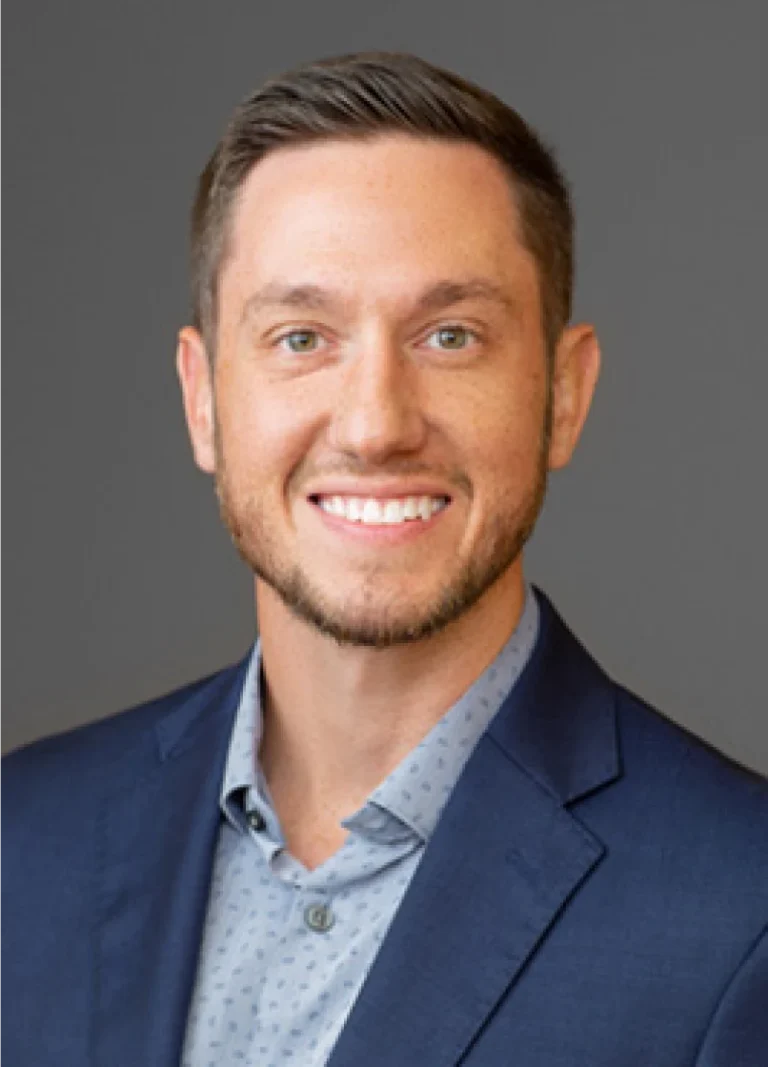
Lee Powell

Director of Equine Therapy Services Meet Lee

Finding Your Place in the Continuum of Care

At The Last Resort, we understand that each man’s path to recovery is unique. There is no one-size-fits-all solution for addressing substance use disorders or co-occurring diagnoses. Our commitment is to deliver personalized care that meets each client where they are. 

Upon arrival at our campus, every client undergoes a thorough assessment. This evaluation serves as the cornerstone for determining the most suitable level of care. Our experienced team meticulously reviews the assessment results to develop a customized treatment plan made just for you.

Your individualized care is informed by several key factors

Consideration of the client’s personal goals and perceived needs

Insights gathered from our multidisciplinary treatment team

Ongoing evaluation of treatment progress and response

As clients make progress, we continually reassess their needs and adjust their treatment program accordingly.

When a client achieves the goals set out in their treatment plan or show significant stability in their recovery journey, we facilitate their transition to a less intensive level of care.

This flexible approach ensures that each man receives the appropriate level of support when it’s needed most.

Whether a client requires the structure of residential treatment or is prepared for a step-down program, The Last Resort remains dedicated to providing tailored care that fosters sustainable, long-term recovery at our rehab facility.

Frequently Asked Questions about Aftercare Programs for Substance Abuse

Sources

[1] American Psychological Association. (n.d.). Apa PsycNet. American Psychological Association. https://psycnet.apa.org/record/2023-09097-004 on July 9, 2024

[2] National Institute on Drug Abuse. (2020, July). Treatment and Recovery. National Institute on Drug Abuse. https://nida.nih.gov/publications/drugs-brains-behavior-science-addiction/treatment-recovery on July 9, 2024

[3]Rippe J. M. (2018). Lifestyle Medicine: The Health Promoting Power of Daily Habits and Practices. American journal of lifestyle medicine, 12(6), 499–512. https://doi.org/10.1177/1559827618785554 on July 9, 2024

[4]A. Smelson, D., Psy. D. (n.d.). MISSION Navigating Transitions Program: Recovery Coach Guidebook. Retrieved from https://www.mass.gov/files/documents/2019/08/01/MISSION%20Navigating%20Transitions%20Program%20Recovery%20Coach%20Guide_Final%206.27.1….pdf on July 15, 2024

[5] Targeting the barriers in the substance use disorder continuum of care with peer recovery support – Milena Stanojlović, Larry Davidson, 2021. (n.d.). https://journals.sagepub.com/doi/full/10.1177/1178221820976988 on July 9, 2024

[6] McKay, J. R. (2009, March). Continuing care research: What we have learned and where we are going. Journal of substance abuse treatment. https://www.ncbi.nlm.nih.gov/pmc/articles/PMC2670779/  on July 9, 2024

[7] McKay, J. R. (2021, January 21). Impact of continuing care on recovery from substance use disorder. Alcohol research : current reviews. https://www.ncbi.nlm.nih.gov/pmc/articles/PMC7813220/ on July 9, 2024

[8] Exploring the meaning of recovery and a sober life after a long … (n.d.-a). https://journals.sagepub.com/doi/full/10.1177/14550725231170454 on July 9, 2024

[9] About the ASAM criteria. Default. (n.d.). https://www.asam.org/asam-criteria/about-the-asam-criteria on July 9, 2024

How To Get Started At Our Addiction Treatment Center in Austin

  1. Give Us a Call

    Our admission specialists are ready to talk with you 24/7 about starting the journey. We always treat each caller with the utmost respect, detailing your treatment options and respecting your confidentiality.

    Call now
  2. Receive Your Personalized Treatment Plan

    Based on your assessment, we’ll work together to create a customized treatment plan that addresses your needs, ensuring you have the support and resources necessary to achieve your goals.

  3. Verify Your Insurance

    The Last Resort is in-network with most major insurance companies.

  4. Start Healing from Addiction and Dual Diagnosis Issues

    We’ll welcome you to our campus and start laying the groundwork for a successful, long-term recovery.

Ask us anything. We’ll tell you straight.

Our admissions team answers 24/7. No script, no pressure — just a conversation with someone who’s been where you are.

Free & confidential.

Or verify your insurance online