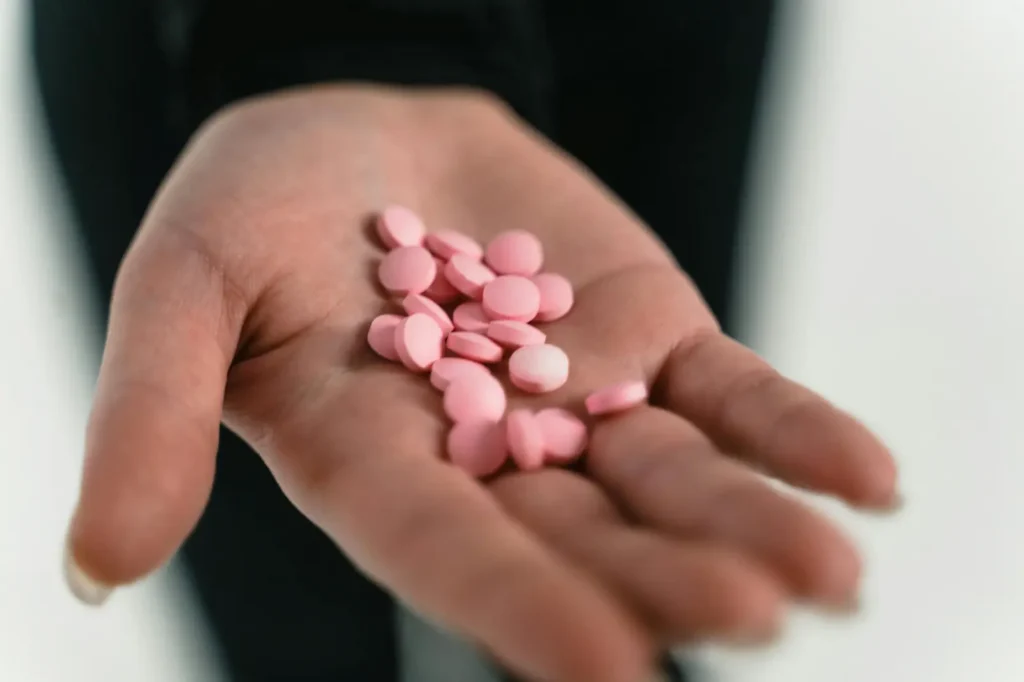
Klonopin (clonazepam) is a benzodiazepine medication that’s used to treat anxiety, panic, and seizure disorders.
Klonopin is one of the longer-acting benzos and has a half-life of 30-40 hours.
Because of its long half-life, Klonopin can stay in the system for 6 to 9 days, but it can vary.
Klonopin (clonazepam) is a drug in the benzodiazepine class that’s prescribed to treat anxiety, panic disorders, and certain types of seizures. It’s a longer-acting benzodiazepine and has a half-life of 30-40 hours. Klonopin can stay in your system for up to 6 to 9 days. Klonopin can interact with many drugs and may show up on drug tests, so it’s important to understand how long it stays in your system.
What Is Klonopin?
Klonopin is a brand-name medication for clonazepam, an anxiolytic drug in the benzodiazepine class of drugs. It’s commonly prescribed to treat anxiety disorders, panic disorders, and seizure disorders and works by increasing the presence of the neurotransmitter gamma-aminobutyric acid (GABA), producing feelings of calm and relaxation.[1]
Drugs like Klonopin can help treat the symptoms of anxiety and seizures, but it has a potential for misuse or abuse. Some people may misuse Klonopin to get euphoria or to enhance the effects of other drugs, but doing so can significantly increase the risk of addiction and overdose.
Klonopin Effects
As a prescription drug for anxiety and other conditions, Klonopin calms brain activity to reduce feelings of anxiety and panic or reduce seizure activity.
Klonopin can have serious drug interactions, including ketoconazole, nefazodone, itraconazole, cimetidine, and fluvoxamine, which can increase the levels of Klonopin in the blood.[4] Combining Klonopin with phenytoin, phenobarbital, and carbamazepine may decrease the levels of Klonopin, reducing its effectiveness.[5]
Combining Klonopin with other benzodiazepines and central nervous system (CNS) depressants, such as alcohol and opioids, can cause dangerous levels of sedation and respiratory depression that may lead to unconsciousness, coma, or death.
Klonopin can cause overdose on its own if you take too much or too frequent doses, but combining Klonopin with other drugs – particularly depressants like alcohol or opioids – can significantly increase the risks.
If you or someone you know is experiencing an overdose, call 911. A Klonopin overdose is a medical emergency. Wait with the person until help arrives. The emergency medical team may administer flumazenil, which can partially or completely reverse the effects of a Klonopin overdose. Flumazenil can cause seizures in some people, however.
How Long Does Klonopin Stay in the Body?
Klonopin is a longer-acting benzodiazepine with a half-life of 30 to 40 hours.[7] The primary metabolite, 7-amino-clonazepam, is excreted in the urine, so it stays in the body for a longer period than other drugs with shorter half-lives.
A drug’s half-life is the time it takes for half of a dose of a drug to leave the body. Klonopin can take one or two days for 50% of the drug to be eliminated by the body. On average, it takes about 5 half-lives for a drug to leave the body completely. Therefore, Klonopin can stay in the body for 6 to 9 days.
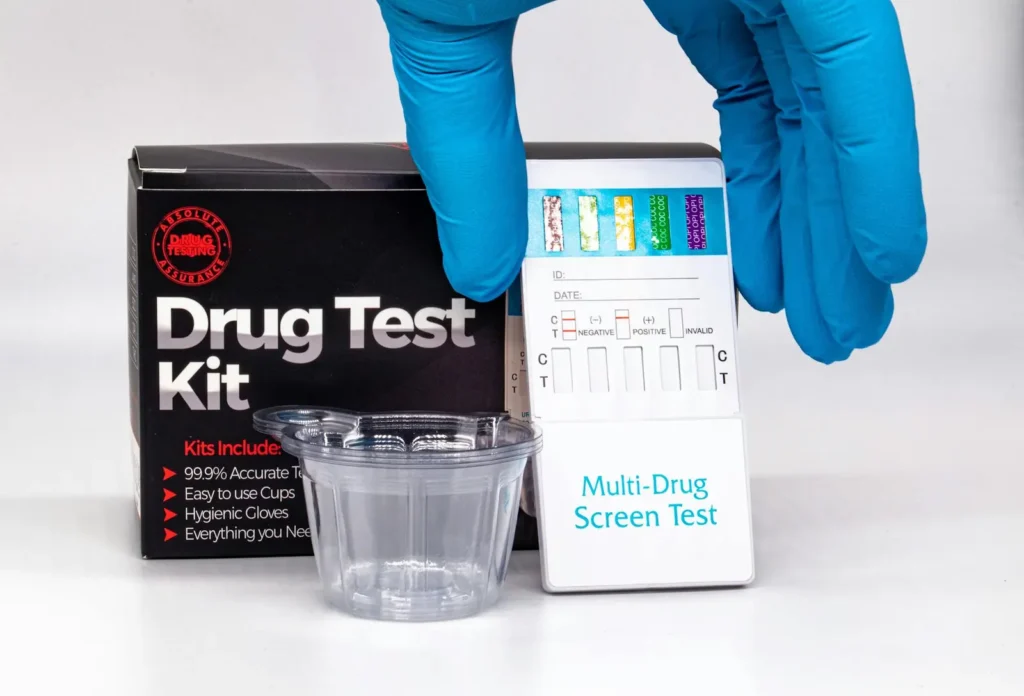
Klonopin can show up on different drug tests for various periods:
Hair tests: Detectable for up to 90 days after last use[10]
Saliva tests: Detectable for up to 5 or 6 days after last use[11]
While these are general drug detection windows, several factors can influence how long Klonopin shows up on a drug test. These factors include age, gender, weight, health, organ function, the time of the last dose, the amount of the last dose, how long you’ve been on the drug, the pH of your urine, and more.
Can I Quit Taking Klonopin?
If you’re worried about Klonopin showing up on a drug test or potential drug interactions, you shouldn’t stop taking Klonopin suddenly. Benzos like Klonopin can build physical dependence with regular use, which happens when your body adjusts to the presence of a drug and needs it to function normally. If you stop suddenly or drastically reduce your dose, withdrawal symptoms begin. Because Klonopin is long-acting, withdrawal symptoms can begin two weeks after the last dose.
Symptoms like seizures can be dangerous. Healthcare providers recommend a taper schedule to slowly wean you off your Klonopin dose and reduce the severity of withdrawal symptoms. You shouldn’t try to taper your dose on your own.
Klonopin Addiction
Klonopin and other benzodiazepines have the potential for misuse, abuse, and addiction. It’s possible to become addicted to Klonopin by taking a regular dose, but it’s a higher risk if you take more Klonopin or higher doses of Klonopin than prescribed. The risk of addiction is high if you abuse Klonopin with other drugs like opioids.
The first step in Klonopin addiction treatment is medical detox to manage withdrawal symptoms and prevent complications. Medical detox provides 24/7 care and monitoring to monitor your health, administer medications, and address severe symptoms.
Detox is a helpful foundation for addiction treatment, but it’s not enough to overcome addiction on its own. Once you complete detox, it’s best to enter a drug addiction recovery program on an inpatient or outpatient basis to undergo therapies like individual and group counseling, behavioral therapies, and peer support groups and understand the motivating factors in addiction.
Get Help for Klonopin Addiction
Klonopin is a widely prescribed drug that’s used to treat anxiety disorders and seizure disorders, but it’s not without risks like addiction. If you’re struggling with Klonopin misuse or addiction, you shouldn’t try to quit on your own without the help of an individualized addiction treatment program.
[4,5] Perucca, E. (2006, March). Clinically relevant drug interactions with antiepileptic drugs. British journal of clinical pharmacology. Retrieved from https://www.ncbi.nlm.nih.gov/pmc/articles/PMC1885026/ on 2024, October 24.
[8] Negrusz A;Bowen AM;Moore CM;Dowd SM;Strong MJ;Janicak PG; (n.d.). Elimination of 7-aminoclonazepam in urine after a single dose of Clonazepam. Analytical and bioanalytical chemistry. Retrieved from https://pubmed.ncbi.nlm.nih.gov/12845398/ on 2024, October 24.
[11] Nordal K;Øiestad EL;Enger A;Christophersen AS;Vindenes V; (n.d.). Detection times of diazepam, Clonazepam, and alprazolam in oral fluid collected from patients admitted to detoxification, after high and repeated drug intake. Therapeutic drug monitoring. Retrieved from https://pubmed.ncbi.nlm.nih.gov/25549207/ on 2024, October 24.
No, it’s not safe to quit Klonopin on your own. Taking Klonopin for long periods, even as prescribed, can build dependence and cause withdrawal when you stop. Some withdrawal symptoms from benzos can be severe, so you should always talk to your doctor about how to stop taking the drug safely.
Klonopin is a generally safe and well-tolerated drug when used for short periods to treat anxiety or seizure disorders. It’s not intended for long-term use, as dependence and addiction can occur. The risk of benzodiazepine addiction is much higher if you misuse or abuse Klonopin, so it’s important to take the lowest possible dose for the shortest time to relieve your symptoms.
Klonopin withdrawal, like other benzodiazepine withdrawal, can cause severe symptoms like seizures and other complications that make it dangerous. That’s why a taper schedule or medical detox is recommended.
Taken for long periods, Klonopin can cause chemical changes in the brain to reduce anxiety and the activity that contributes to seizures. When you stop taking the drug and experience withdrawal, you may have “rebound” symptoms that are similar – and often worse than – the condition that Klonopin was intended to treat. Rebound symptoms with Klonopin may include anxiety, insomnia, or seizures, as these conditions are why the drug is commonly used.
How To Get Started At Our Addiction Treatment Center in Austin
Give Us a Call
Our admission specialists are ready to talk with you 24/7 about starting the journey. We always treat each caller with the utmost respect, detailing your treatment options and respecting your confidentiality.
Based on your assessment, we’ll work together to create a customized treatment plan that addresses your needs, ensuring you have the support and resources necessary to achieve your goals.
Verify Your Insurance
The Last Resort is in-network with most major insurance companies.
Start Healing from Addiction and Dual Diagnosis Issues
We’ll welcome you to our campus and start laying the groundwork for a successful, long-term recovery.
Ask us anything. We’ll tell you straight.
Our admissions team answers 24/7. No script, no pressure — just a conversation with someone who’s been where you are.

 Medically reviewed by
Dr. Po-Chang Hsu, M.D., M.S.
Medically reviewed by
Dr. Po-Chang Hsu, M.D., M.S.
 Written by
Briana Sefcik
Written by
Briana Sefcik