
Addiction
Key Points
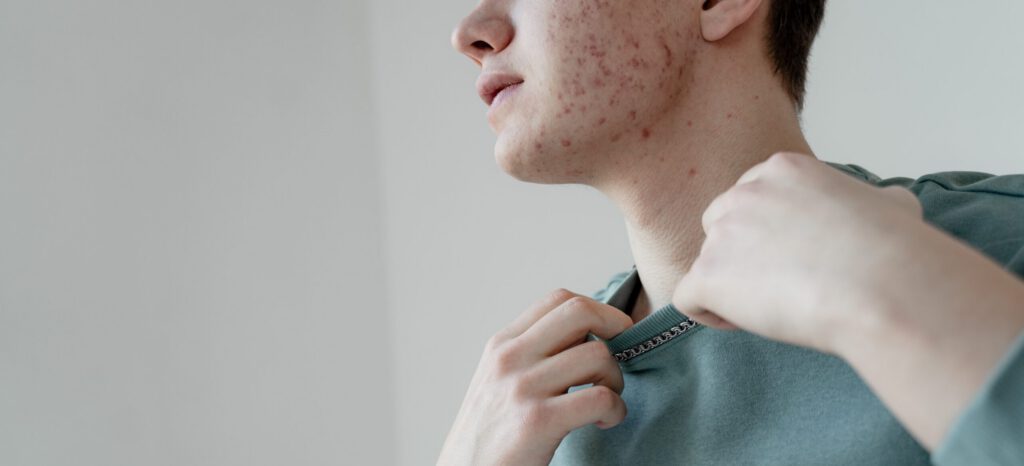
- Meth sores are open wounds and scabs caused by excessive skin picking, poor hygiene, and toxic chemicals from methamphetamine use.
- Long-term meth use leads to rapid aging, sagging skin, deep wrinkles, acne, and scarring due to dehydration, malnutrition, and reduced collagen production.
- With proper medical care, improved hygiene, nutrition, and addiction treatment, some effects of meth sores and "meth face" can be reversed.
Methamphetamine (meth) is a highly addictive stimulant with devastating effects on both the mind and body. Among its many harmful consequences, meth sores are a common and visible sign of prolonged use. These painful, open wounds can develop anywhere on the body but are most commonly seen on the face, arms, and legs.
Meth sores not only indicate severe substance use but also increase the risk of infections and long-term skin damage. Let’s take a look at what causes these sores, how to treat them, and the importance of seeking help for meth addiction if you or someone you know is struggling.
What Are Meth Sores?
Meth sores are open wounds, ulcers, or scabs that appear on the skin due to chronic methamphetamine use. [1] These sores often result from excessive scratching, poor hygiene, and exposure to harmful toxins found in meth.
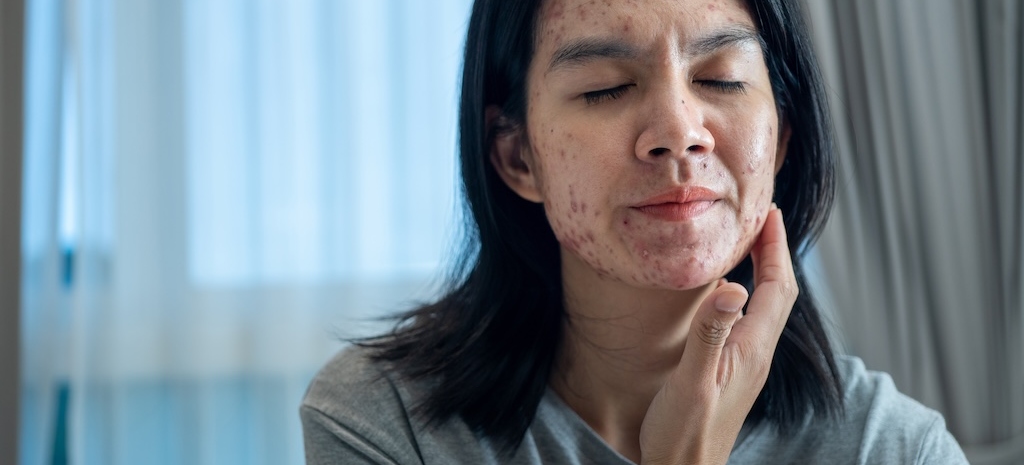
People who use meth may experience severe itching and a crawling sensation under their skin (a condition known as formication), leading them to scratch and pick at their skin compulsively. Over time, this behavior causes widespread sores, infections, and permanent scarring.
Common Locations of Meth Sores
Meth sores can appear anywhere on the body, but the most frequently affected areas include:
- Face
- Arms
- Legs
- Neck
- Lips and inside the mouth
- Genital area
What Do Meth Sores Look Like?
Meth sores can take on different appearances depending on the severity of use and how often a person picks at their skin. While they may start as minor blemishes, they can quickly worsen due to repeated scratching, infections, and poor healing.
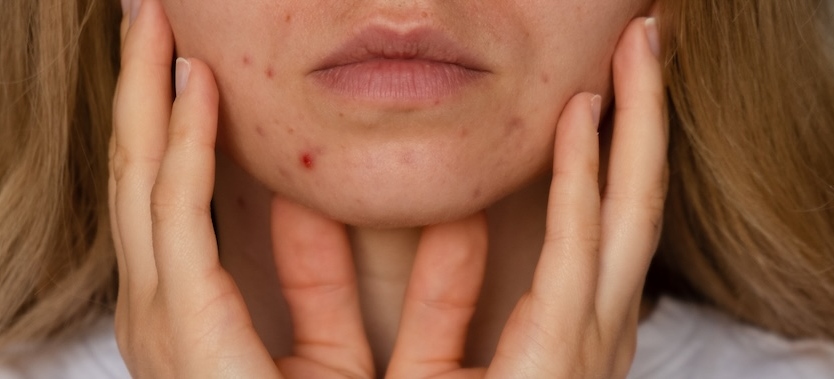
1. Red, Inflamed Patches
In the early stages, meth sores often appear as small, red, irritated patches on the skin. These may resemble pimples, bug bites, or rashes. The irritation is usually caused by excessive scratching due to the sensation of “meth mites” crawling under the skin.
2. Open Wounds and Scabs
As a person continues to scratch, these inflamed areas can break open, forming raw wounds and scabs. Because meth users frequently pick at their skin, these sores struggle to heal correctly, often reopening and worsening over time.
3. Deep Abscesses and Infections
Bacteria entering open wounds can lead to painful abscesses—large, swollen pockets of infection beneath the skin. These abscesses may be filled with pus and require medical treatment to prevent further complications, including cellulitis or systemic infections.
4. Crusted or Ulcerated Lesions
Over time, untreated meth sores can develop into crusted, ulcerated lesions that leave behind permanent scars and skin discoloration. These are most commonly seen on the face, arms, and legs, where picking occurs most frequently.
Because meth sores can quickly become infected, they often result in swelling, extreme pain, and pus formation. These wounds can worsen without proper care, leading to serious health risks that extend beyond the skin. Seeking treatment for meth addiction is the best way to stop the cycle of self-inflicted skin damage and allow the body to heal.
What Causes Meth Sores?
Meth sores develop due to a combination of physical, psychological, and behavioral effects caused by meth use. Some of the leading causes include:
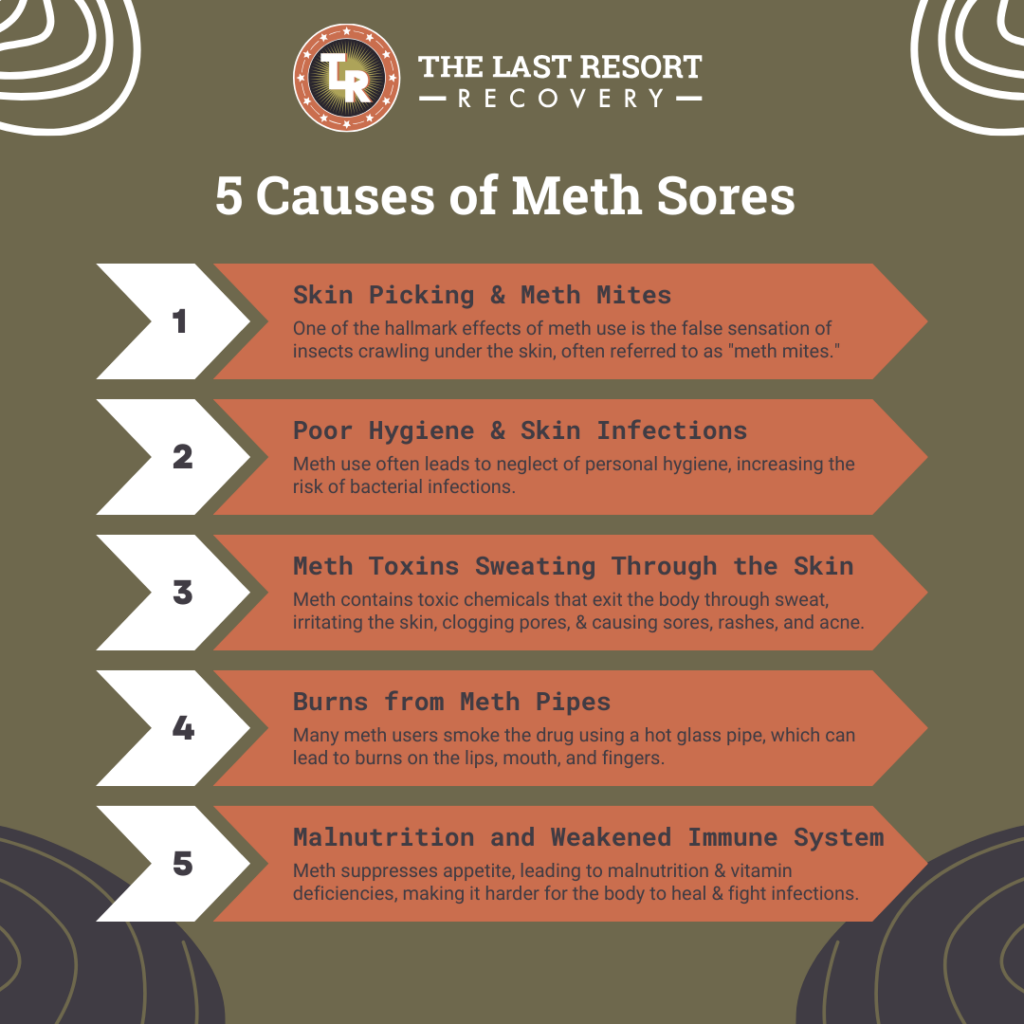
1. Skin Picking & Meth Mites
One of the hallmark effects of meth use is formication, the false sensation of insects crawling under the skin, often referred to as “meth mites.”
This sensation is a type of dysesthesia, a neurological condition that causes abnormal and usually painful skin sensations, such as burning, tingling, or prickling. [2] Meth disrupts nerve function, making these sensations more intense and persistent. In response, individuals may scratch and pick at their skin excessively, leading to open wounds, infections, and long-term scarring.
Since meth also weakens the body’s ability to heal, these sores often worsen over time, increasing the risk of severe skin damage and secondary infections.
2. Poor Hygiene & Skin Infections
Meth use often leads to neglect of personal hygiene, increasing the risk of bacterial infections. Open sores become entry points for bacteria like Staphylococcus aureus (staph infection), including MRSA, a drug-resistant form of staph that can lead to severe complications.
3. Toxins in Meth Sweating Through the Skin
Meth contains toxic chemicals that exit the body through sweat. These toxins can irritate the skin, clog pores, and contribute to the formation of sores, rashes, and acne.
4. Burns from Meth Pipes
Many meth users smoke the drug using a hot glass pipe, which can lead to burns on the lips, mouth, and fingers. These burns often become painful blisters and sores that take a long time to heal.
5. Malnutrition and Weakened Immune System
Meth suppresses appetite, leading to malnutrition and severe vitamin deficiencies. A lack of nutrients, especially vitamin C and zinc, weakens the immune system, making it harder for the body to heal wounds and fight infections.
What Is “Meth Face”?
Chronic methamphetamine use doesn’t just cause sores—it also leads to an overall deterioration of the skin, commonly referred to as “meth face.” This term describes the rapid aging, sagging skin, deep wrinkles, acne breakouts, and severe dryness that often develop in long-term meth users.

Several factors contribute to this dramatic change in appearance:
- Extreme Dehydration – Meth suppresses thirst and increases body temperature, leading to severe dehydration. Over time, this causes the skin to lose elasticity, making it look aged and sunken.
- Nutritional Deficiencies – Meth use often leads to malnutrition, depriving the body of essential vitamins and nutrients that support healthy skin.
- Reduced Collagen Production – Meth constricts blood vessels, cutting off oxygen and nutrients to the skin. This speeds up collagen breakdown, leading to sagging skin and deep wrinkles.
- Persistent Skin Picking – Repeated scratching and picking at the face can result in scarring, open wounds, and infections, contributing to the overall damaged appearance.
While some effects of meth face can be reversed with proper medical care, long-term meth use can cause lasting damage to the skin and body. The best way to prevent or improve these symptoms is to seek professional addiction treatment and allow the body time to heal.
The Dangers of Meth Sores and Associated Health Risks
While meth sores may seem like a superficial issue, they can lead to life-threatening health complications if left untreated. Some of the significant risks include:
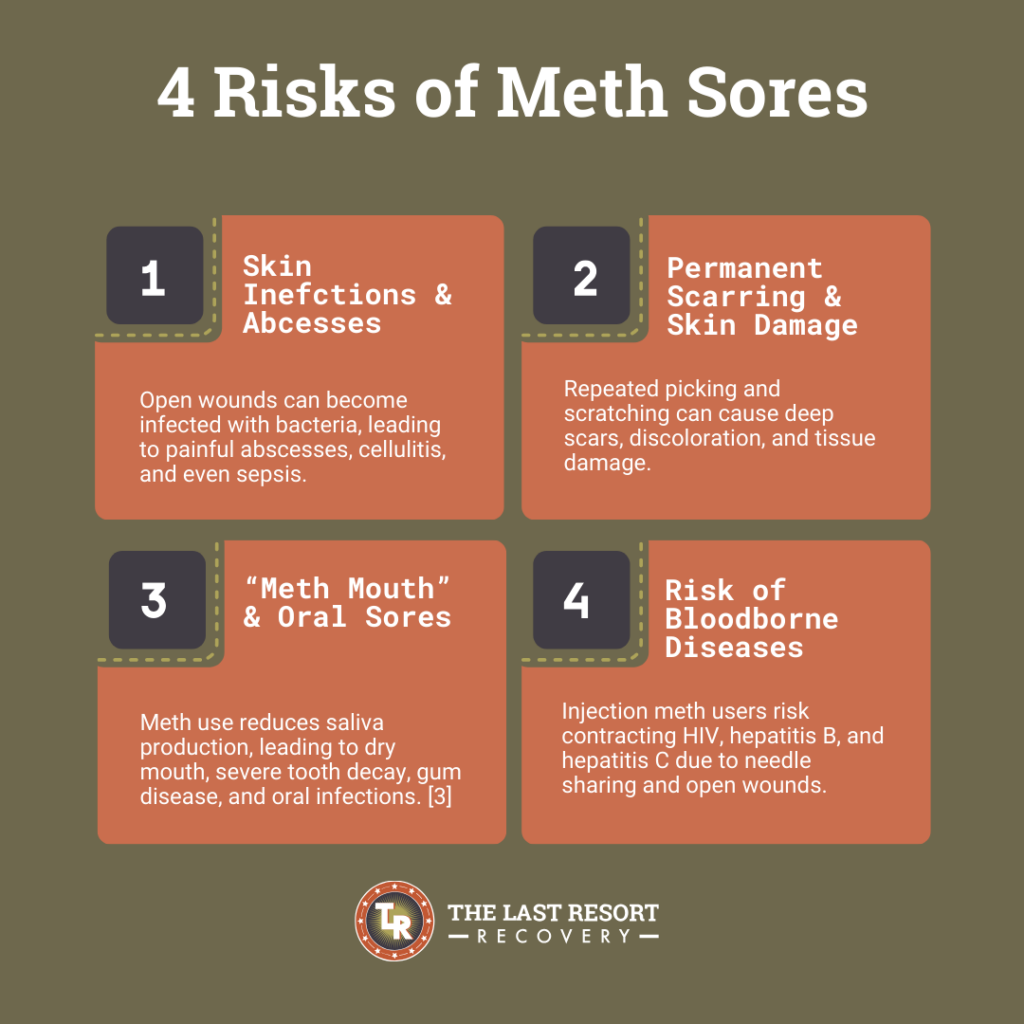
1. Skin Infections & Abscesses
- Open wounds can become infected with bacteria, leading to painful abscesses, cellulitis, and even sepsis.
- Methicillin-resistant Staphylococcus aureus (MRSA) is prevalent among meth users and can cause hard-to-treat infections.
2. Permanent Scarring & Skin Damage
- Repeated picking and scratching can cause deep scars, discoloration, and tissue damage.
- Over time, the skin may thin, become rough, and lose elasticity, making it look prematurely aged.
3. “Meth Mouth” and Oral Sores
- Meth use reduces saliva production, leading to dry mouth, severe tooth decay, gum disease, and oral infections. [3]
- Smoking meth can cause burns inside the mouth, leading to ulcers and painful sores on the lips and tongue.
4. Increased Risk of Bloodborne Diseases
- Injection meth users risk contracting HIV, hepatitis B, and hepatitis C due to needle sharing and open wounds.
- Unsterile injection sites can also develop serious abscesses and vein damage.
Long-Term Effects of Meth Use on the Skin and Body
Meth doesn’t just cause temporary damage—it alters the body permanently. Some long-term effects of chronic meth use include:

- Severe weight loss & muscle wasting
- Premature aging & wrinkled skin
- Extreme acne and persistent skin infections
- Psychological issues like paranoia, hallucinations, and anxiety
- Organ damage, particularly to the heart and kidneys
Many of these effects persist even after stopping meth, making early intervention and treatment crucial.
Related: How Long Does Meth Last?
How to Treat Meth Sores
If you or someone you love is experiencing meth sores, it’s essential to take immediate action to prevent infections and promote healing. Here are some things you can do to treat meth sores: [4]
1. Clean & Protect the Wounds
- Wash sores with mild soap and water to remove bacteria.
- Apply antibiotic ointment (like Neosporin) to prevent infection.
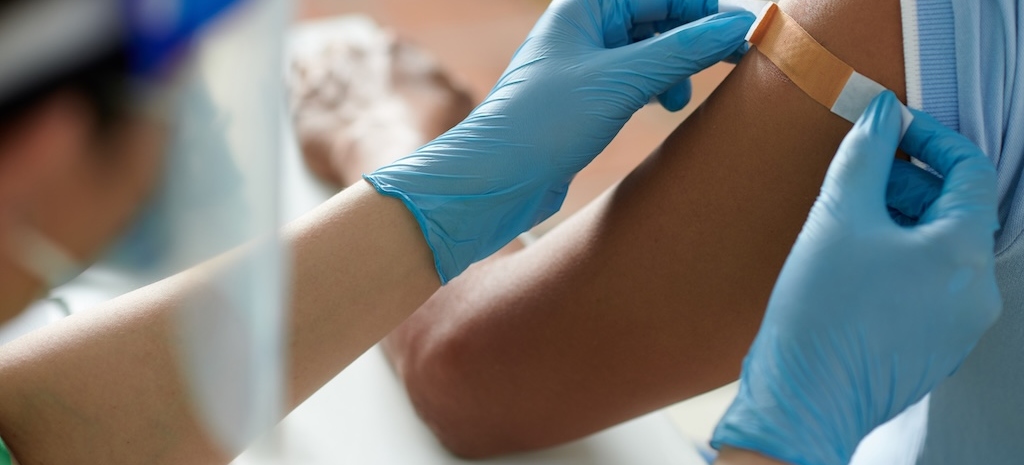
- Cover sores with a clean bandage to avoid further picking.
2. Avoid Scratching & Picking
- Keep nails trimmed short to minimize damage.
- Use gloves or bandages at night to prevent unconscious scratching.
3. Improve Hygiene & Nutrition
- Bathe regularly to remove sweat and toxins.
- Eat a nutrient-rich diet of protein, vitamins C and E, and zinc to promote skin healing.
- Stay hydrated to flush toxins from the body.
4. Seek Medical Attention for Infected Sores
- If sores are red, swollen, or filled with pus, see a doctor immediately to prevent a severe infection.
Finding Help for Meth Addiction
If you or a loved one is struggling with methamphetamine use disorder, it’s important to seek professional treatment that addresses both the physical and psychological aspects of addiction.

At The Last Resort Recovery Center, we specialize in helping men break free from the grip of addiction. Our men’s-only residential detox and inpatient programs provide a structured, supportive environment designed to heal both the body and mind. Through evidence-based therapies, trauma-informed care, and holistic healing modalities, we guide men toward lasting recovery.
Located on 55 secluded acres in Smithville, TX, near South Austin, our treatment center offers a retreat-like setting where individuals can focus entirely on their recovery and personal growth. If you or a loved one needs help, our team of experienced professionals is here to support you every step of the way.
Related: Crystal Meth & Drug Tests
Take the First Step Toward Recovery
Meth addiction can be overwhelming, but you don’t have to face it alone. The Last Resort Recovery Center provides comprehensive treatment that helps men regain control of their lives.

Call us today at (512) 750-6750 to learn more about our detox, inpatient, and outpatient programs in Austin, Texas, and start your journey to healing.
Sources
[1] Mihu MR, Roman-Sosa J, Varshney AK, Eugenin EA, Shah BP, Ham Lee H, Nguyen LN, Guimaraes AJ, Fries BC, Nosanchuk JD, Martinez LR. Methamphetamine Alters the Antimicrobial Efficacy of Phagocytic Cells during Methicillin-Resistant Staphylococcus aureus Skin Infection. mBio. 2015 Oct 27;6(6):e01622-15. doi: 10.1128/mBio.01622-15. PMID: 26507236; PMCID: PMC4626859. Retrieved from https://pmc.ncbi.nlm.nih.gov/articles/PMC4626859/
[2] Labib, A., Burke, O., Nichols, A., & Maderal, A. D. (2023). Approach to diagnosis, evaluation, and treatment of generalized and nonlocal dysesthesia: A review. Journal of the American Academy of Dermatology, 89(6), 1192–1200. https://doi.org/10.1016/j.jaad.2023.06.063.
[3] Zokaee H, Fathi S, Golalipour H, Mirzaei F. Effects of Methamphetamine Withdrawal on the Volume and pH of Stimulated Saliva. J Dent (Shiraz). 2022 Jun;23(2):80-85. doi: 10.30476/DENTJODS.2021.87248.1244. PMID: 35783497; PMCID: PMC9206696. Retrieved from https://pmc.ncbi.nlm.nih.gov/articles/PMC9206696/
[4] Sherrell, Z. (2024, November 6). Meth and face sores: Causes, treatment, and more. Medical News Today. https://www.medicalnewstoday.com/articles/meth-face-sores


Written by
Briana Sefcik
Director of Trauma and Family Wellness, MS, LCSW, CSATFrequently Asked Questions (FAQs)
Meth sores develop due to excessive skin picking, poor hygiene, toxic chemicals in meth, and weakened immune function. Users often experience a crawling sensation under the skin (formication), leading to compulsive scratching and open wounds.
"Meth face" refers to the rapid aging, sagging skin, deep wrinkles, acne, and severe dryness seen in long-term meth users. These effects result from dehydration, malnutrition, and reduced collagen production.
Some damage can be reversed with proper medical care, nutrition, and improved hygiene. However, long-term effects may be permanent. Seeking addiction treatment is the best way to heal both the skin and body.
Untreated sores can lead to infections, abscesses, and even life-threatening conditions like MRSA or sepsis. Seeking medical attention is crucial if sores become swollen, red, or pus-filled.
The Last Resort Recovery Center provides specialized treatment for men struggling with methamphetamine addiction. Our evidence-based programs offer detox, inpatient, and outpatient care to support long-term recovery.

Ask us anything. We’ll tell you straight.
Our admissions team answers 24/7. No script, no pressure — just a conversation with someone who’s been where you are.
Free & confidential.
Or verify your insurance online