














 Addiction

Dual Diagnosis Rehabilitation Center | The Last Resort
Admissions is available now — no script, no pressure.
Dual diagnosis refers to the coexistence of addiction and a mental health disorder at the same time.[1]
People with dual diagnosis often experience overlapping symptoms, which can make substance abuse worse and complicate their overall well-being.
Effective treatment for dual diagnosis requires an integrated approach that addresses both conditions at the same time, helping you alleviate your symptoms and establish your recovery with the right support for long-term sobriety.
- Dual diagnosis refers to the co-occurrence of a mental health disorder and a substance use disorder, such as depression and alcohol addiction.
- Dual diagnosis can significantly impact a person’s life, affecting mental and physical health, relationships, and overall quality of life.
- Dual-diagnosis rehabilitation centers offer a range of treatment options and approaches for comprehensive care.
What Is Dual Diagnosis?
Dual diagnosis, also known as a co-occurring disorder, refers to a condition where a person simultaneously experiences both a mental health disorder and a substance use disorder. For example, a person might have both depression and alcohol addiction or an anxiety disorder and opioid dependence.
The relationship between these conditions can be complex, as they often interact with one another and can make the recovery process more complicated.[2]
Dual diagnosis issues are relatively common, with over 7 million people in the US estimated to have concurrent mental health and substance use disorders.[3] Unfortunately, over 50 percent of people with co-occurring disorders never receive either mental health or substance abuse treatment.
The Impacts of Dual Diagnosis
Dual diagnosis can have profound, far-reaching impacts on a person’s life, affecting their mental and physical health, relationships, and overall quality of life.[4]
Dual diagnosis can arise from a variety of factors, including:[5]
- Genetic predisposition: Some people may have a genetic vulnerability to both mental health issues and substance abuse.
- Environmental factors: Trauma, stress, or adverse life experiences can contribute to the development of both types of disorders.
- Brain chemistry: Both mental health disorders and substance use can affect brain chemistry, potentially leading to the development of the other condition.
- Self-medication: Some people may use substances to cope with symptoms of mental health disorders, inadvertently developing a substance use disorder in the process.
- Substance-induced mental health issues: Prolonged substance use can sometimes trigger or exacerbate mental health problems.
The relationship between mental health and substance use disorders is often bidirectional:[6]
- Depression and alcohol use: A person with depression might drink alcohol to alleviate their low mood temporarily. However, alcohol is a depressant that can worsen depression symptoms in the long run. This can create a vicious cycle where increased drinking leads to worsened depression, which in turn leads to more drinking.
- Anxiety and stimulant use: Someone with anxiety might use stimulants like cocaine or amphetamines to feel more confident and sociable. However, these drugs can increase anxiety and paranoia, especially during withdrawal. This can lead to escalating drug use to avoid withdrawal symptoms, worsening both the addiction and anxiety disorder.
What Disorders Commonly Co-Occur Together?
Substance addictions that commonly co-occur with mental health conditions include:[7]
- Alcohol
- Opioids, such as heroin, Suboxone, and methadone
- Stimulants, such as crack/cocaine, methamphetamine, and Adderall
- Sedatives and hypnotics, such as barbiturates, sleeping pills, and benzodiazepines
- Other substances of abuse, such as Kratom and inhalants
These addictions frequently overlap with mental health conditions.[8] The coexistence of these conditions isn’t random – people struggling with mental health issues may turn to substances as a form of self-medication, while substance use can also trigger or exacerbate mental health problems. For example, those with mood disorders might be more prone to using substances that alter their mood, while those with anxiety disorders might gravitate towards substances with calming effects. Multiple substances can also be abused, further complicating the experience.
Understanding the potential for these conditions to coexist is critical for effective diagnosis and comprehensive care at a dual-diagnosis treatment center
What Are My Treatment Options for Dual Diagnosis in Austin?
Struggling with dual diagnosis issues frequently requires a full spectrum of addiction treatment care, complete with several evidence-based and holistic interventions for total-person wellness
Levels of Care
Aftercare
Ongoing support and resources after completing primary treatment to maintain your sobriety and prevent relapse.
Detox
Medical and psychological intervention aimed at safely managing withdrawal symptoms and preparing you for further treatment.
Family Program
Structured therapy and education sessions designed to involve and support family members in the recovery process of their loved ones.
Inpatient
Residential treatment program where you’ll receive intensive therapy and therapeutic programming within a controlled environment.
Intensive Outpatient (IOP)
Structured treatment program that provides intensive therapy and support while allowing you to live at home or in another treatment environment and continue with daily activities.
Virtual Intensive Outpatient (IOP)
Online treatment program for Texas residents delivering the same evidence-based therapies and group support as our in-person IOP, allowing eligible clients outside our local service area to access quality dual diagnosis care remotely while maintaining their daily responsibilities.
Partial Hospitalization Program (PHP)
Day treatment program offering intensive therapeutic and medical support without overnight stays.
Sober Living
These facilities are residential spaces providing a supportive environment for those in recovery to live independently while maintaining sobriety and integrating into daily life.
Mental Health Conditions We Treat
Anxiety Disorders
Anxiety can be paralyzing, especially when coupled with substance use. Our treatment helps you develop healthier coping mechanisms, regain control, and build confidence in daily life.
Depression
Depression often fuels addiction, creating a cycle that feels impossible to break. Through evidence-based therapy and holistic healing, we help you rediscover hope and purpose.
Post-Traumatic Stress Disorder (PTSD)
Unresolved trauma can drive substance use, but healing is possible. Our specialized therapies, including equine-assisted and experiential therapy, provide a safe space for processing and recovery.
Bipolar Disorder
The extreme highs and lows of bipolar disorder can make addiction even more challenging. We offer integrated treatment that balances mood stabilization with substance use recovery.
Obsessive-Compulsive Disorder (OCD)
When OCD and addiction intersect, it can be difficult to find relief. Our evidence-based therapies help you manage compulsions while addressing substance dependence.
Attention-Deficit/Hyperactivity Disorder (ADHD)
Many individuals turn to stimulants or other substances to manage ADHD symptoms. Our program provides alternative strategies to improve focus and emotional regulation without reliance on drugs.
Self-Harm & Suicidal Thoughts
Self-harm and addiction often go hand in hand. Our compassionate approach provides the tools to replace harmful behaviors with healthier, life-affirming choices.
Chronic Stress & Burnout
Constant stress can lead to self-medication with alcohol or drugs. Our treatment incorporates mindfulness, therapy, and stress-reduction techniques to help you regain balance.
Grief & Loss
Losing a loved one or experiencing major life changes can push people toward substance use. Our program helps you process grief in a healthy way, without relying on substances.
Anger & Impulse Control Issues
When emotional regulation becomes a struggle, addiction often follows. We help individuals develop new skills to manage anger, impulsivity, and destructive patterns.
Treatment Modalities
- 12-Step Program
- Acceptance and Commitment Therapy (ACT)
- Addiction Education
- Cognitive Behavioral Therapy CBT
- Dialectical Behavioral Therapy (DBT)
- Equine-Assisted Therapy
- Experiential Therapy
- Family Therapy
- Fitness Therapy
- Group Therapy
- Healing Heart Experience
- Individual Therapy
- Life Skills for Addiction
- Motivational Interviewing (MI)
- Psychodrama
- Solution Focused Brief Therapy
- Yoga Therapy
Welcome to The Last Resort. Where Men Recover.
We’re here to be the solution you seek and empower you to pursue the healing you need. Reach out for help today and step forward in confidence.
Insurance
Verify Insurance
Insurance Coverage for Rehab in Austin, Texas
Paying for treatment should never be a barrier to recovery and healing. There are several options available that do not put your family in financial jeopardy. The Last Resort is an in-network provider that works with most insurance companies.
Others Who Embraced Healing At The Last Resort Recovery
We’re excited to share the positive experiences of our other community members, many of whom were where you are today – overwhelmed and uncertain. These are their stories. What will yours be?
“As a treatment professional, The Last Resort is a program I would send a family member to. We have made several referrals for men to receive help from The Last Resort and the outcomes are consistently positive. They provide more services then most programs and do it all at a very affordable cost. They continue to go to extra lengths to make sure they are above board in all areas of their program. I could not recommend them more highly! Thank you for all that you do, TLR!”
No script. No pressure. A real conversation with someone who’s been there.

Our 55-Acre Ranch For Your Healing & Recovery Adventure
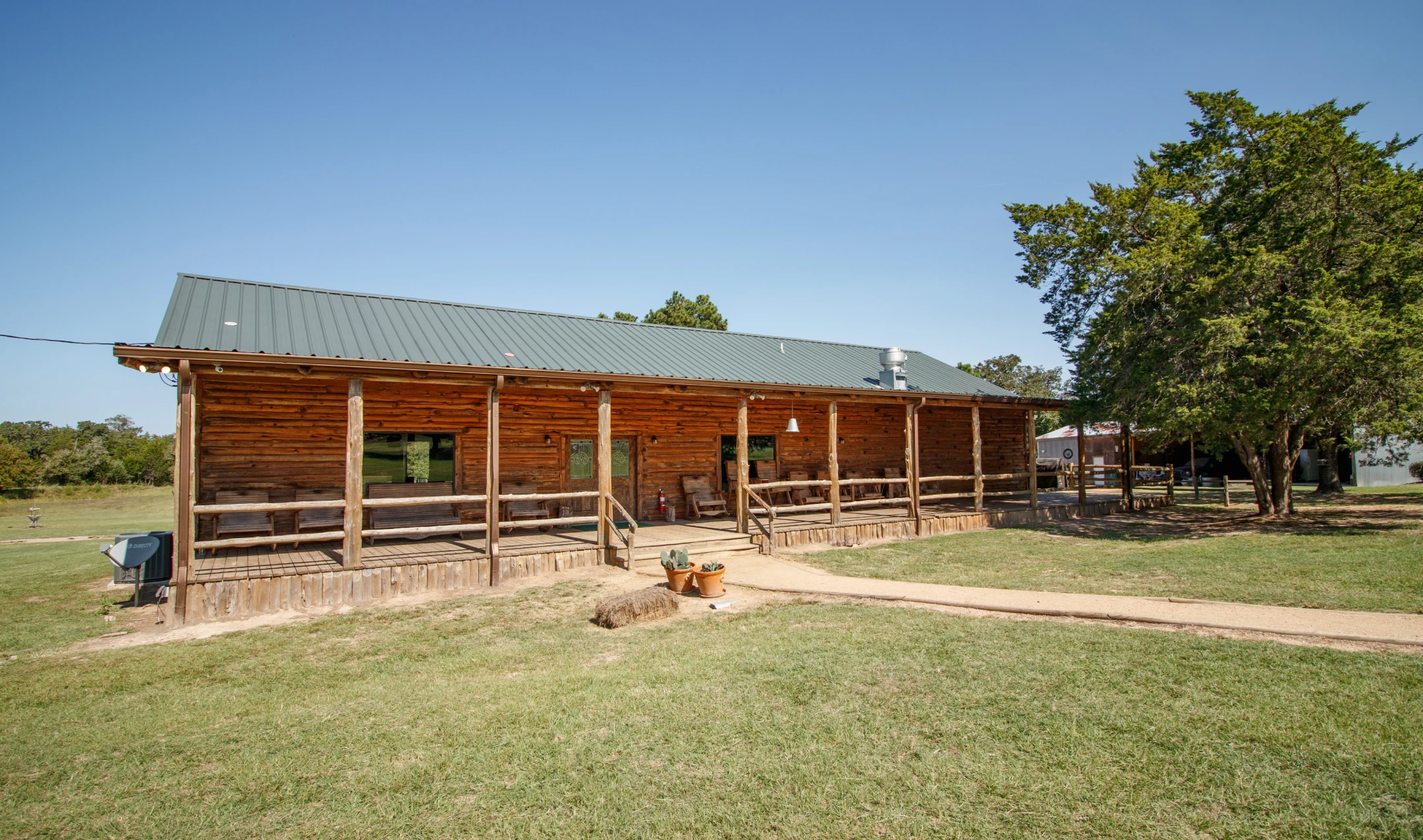
Come experience a healing adventure like none other. Our expansive and secluded men’s-only ranch sits on 55 acres of central Texas beauty and is a tranquil sanctuary designed to promote rest, reflection, and recovery.
From rolling hills and ancient tree groves to warm ranch-style accommodations, you’ll feel right at home. You’ll enjoy a full range of amenities and experiences, including an outdoor pool oasis, a fitness studio, and a fully-stocked horse barn.
Our secondary location is a comfortable, modern facility with shared and private spaces that is home to all of our outpatient services. This center is conveniently located in south Austin off Menchaca Rd.
Manage Your Dependence and Transform Your Life
When drug or alcohol addiction takes root in your life, it colors everything you do, how you show up at work, at home, and for yourself. Your family often feels the worst of it. You know this is not what you had in mind for your life. There has to be a healthier way to manage your emotional distress and overcome the challenges you face.
Accredited Care From Trusted Practitioners
As the opioid epidemic has continued to explode, so has the treatment industry. Unfortunately, not all are of the same quality or the same caliber.
Accredited status for our addiction treatment center confirms that the services we offer meet or exceed the official standards of practice established by the state and other governing organizations by passing a series of detailed assessments.
Understanding accreditation affords you and your loved ones the confidence to pursue long-term recovery with renewed peace of mind.

Men, All Hope Is Not Lost. Welcome To Your Last Resort.
If you or a loved one is battling alcohol or drug addiction, you’re in the right place. Even if you’ve tried other treatment programs or think you’re at the end of the line, this is the community you need to thrive. We can’t wait to facilitate your recovery and be part of your success story.
The Last Report: Insights and Empowerment
As part of our commitment to clients and families, we share high-quality resources, industry-related news, and practical education with those in our circle of influence. We hope these resources equip and inspire those who read them to take positive, healthy action.
Addiction
 Addiction
What is Gas Station Heroin?
 Central Texas
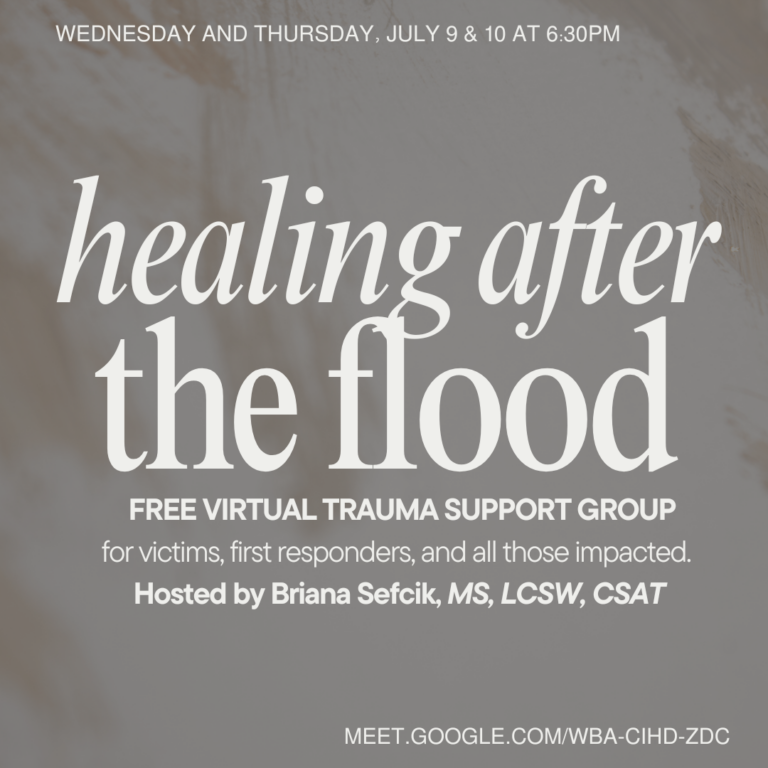
Healing After the Flood: Free Trauma Support Group
 Central Texas
Resources for Central Texas Flood Survivors
 Addiction
How Long Does Adderall Stay in Your System?
 Addiction Treatment
Benefits of Residential Addiction Treatment in Austin, TX
 Addiction
What is Hash? Understanding Hashish and Its Effects
 Addiction
Am I An Addict? Substance Use Disorder DSM-5 Criteria
 Addiction
Meth Sores: Causes, Dangers, and Treatment
 Military & Veterans
How to Help a Veteran with PTSD
Editorial Policy

Our Policy
The goal of all content is to empower and equip without compromise. Every resource The Last Resort creates is not supported by sponsorship or advertisers and is therefore free of bias and murky agendas.

Our Contributors
All of our educational materials are produced or reviewed by the team at The Last Resort. We staff and consult with subject matter experts and industry professionals to ensure all that is shared is accurate and accessible.
Frequently Asked Questions About Dual Diagnosis Rehabilitation Centers
Treatment at dual-diagnosis treatment facilities involves integrated care where both mental health disorders and substance use disorders are addressed at the same time. This typically includes interventions that focus on both issues and holistic approaches that promote overall well-being. Therapies such as CBT, DBT, and trauma-informed care are often utilized to address underlying issues and develop coping skills.
Aftercare services at The Last Resort include ongoing therapy sessions, support groups, alumni programs, and regular check-ins with treatment providers. We also help clients connect with community resources such as 12-step meetings, sober living homes, and mental health services to ensure continuity of care. Our aftercare program is designed to provide long-term support for lasting recovery.
The Last Resort works with most major insurance providers to help cover the cost of dual diagnosis treatment. We also offer private payment options and can discuss payment plans to make treatment more accessible. Our team can help you verify your insurance benefits and explore all available options. Verify your insurance today.
Many dual diagnosis rehabs accept private health insurance plans, including those provided by employers or purchased individually. Depending on eligibility and the specific services provided, Medicaid and Medicare may also cover some or all of the costs. Some facilities offer sliding-scale fees based on income or financial need, making treatment more affordable for those without insurance coverage. Additionally, some individuals may choose to pay for treatment out-of-pocket or through financing options offered by the rehabilitation center.
The Last Resort’s men-only program offers a specialized approach to dual diagnosis treatment that addresses the unique needs and challenges men face in recovery. Our 55-acre ranch setting provides a tranquil environment for healing, while our comprehensive treatment approach integrates evidence-based therapies, holistic treatments, and experiential activities like equine therapy. Our clinical team has extensive experience in treating co-occurring disorders and provides individualized care for each client.
The length of treatment varies depending on individual needs and progress. At The Last Resort, our programs range from 40 to 90 days, allowing each client to receive the personalized care they need. Following residential treatment, many clients transition to less intensive levels of care such as PHP, IOP, or outpatient services to continue their recovery journey.
Yes, family involvement is an important component of successful dual diagnosis treatment. The Last Resort offers a Family Program that includes education about addiction and mental health, family therapy sessions, and support for developing healthy communication and boundaries. We believe that healing the family system is essential for long-term recovery.
Sources
[1] MedlinePlus. (2019). Dual Diagnosis. Medlineplus.gov; National Library of Medicine. https://medlineplus.gov/dualdiagnosis.html on June 21, 2024
[2] NAMI. (2017, October 4).. NAMI. https://www.nami.org/advocate/understanding-dual-diagnosis/ on June 21, 2024
[3] National Institute on Drug Abuse. (2018, August 15). Comorbidity: Substance Use and Other Mental Disorders. National Institute on Drug Abuse. https://nida.nih.gov/research-topics/comorbidity/comorbidity-substance-use-other-mental-disorders-infographic on June 21, 2024
[4] Buckley, P. F. (2006). Prevalence and consequences of the dual diagnosis of substance abuse and severe mental illness. The Journal of Clinical Psychiatry, 67 Suppl 7, 5–9. https://pubmed.ncbi.nlm.nih.gov/16961418/ on June 21, 2024
[5] Substance Abuse and Mental Health Services Administration. (2023, July 26). Co-Occurring disorders and other health conditions. Www.samhsa.gov. https://www.samhsa.gov/medications-substance-use-disorders/medications-counseling-related-conditions/co-occurring-disorders on June 21, 2024
[6] National Institutes on Drug Abuse (US). (2020, April 1). Common Comorbidities with Substance Use Disorders Research Report. NCBI Bookshelf. https://www.ncbi.nlm.nih.gov/books/NBK571451/on June 21, 2024
[7] Richesson, D., Jr., Hoenig, J., & Substance Abuse and Mental Health Services Administration. (2021). Key Substance Use and Mental Health Indicators in the United States: Results from the 2020 National Survey on Drug Use and Health. In RTI International, Substance Abuse and Mental Health Services Administration [Report]. https://www.samhsa.gov/data/sites/default/files/reports/rpt35325/NSDUHFFRPDFWHTMLFiles2020/2020NSDUHFFR1PDFW102121.pdf on June 21, 2024
[8] Co-Occurring Mental Illness and Substance Use Disorders (CODs). (n.d.).

Ask us anything. We’ll tell you straight.
Our admissions team answers 24/7. No script, no pressure — just a conversation with someone who’s been where you are.
Free & confidential.
Or verify your insurance online