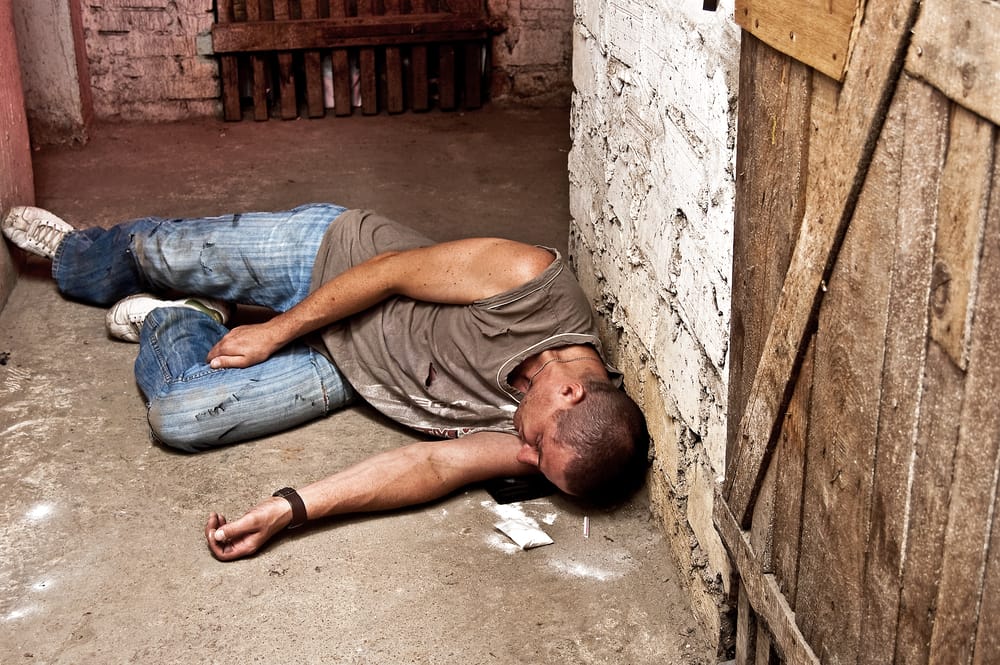
The intense and immediate effects of crack can quickly lead to dependence and compulsive drug-seeking behavior, increasing the likelihood of overdose.
Long-term use can lead to serious health issues, including heart damage, respiratory problems, and mental health disorders.
The drug can induce paranoia, aggression, and impulsive behavior, increasing the risk of violence and accidents.
Rehab programs and therapy can provide the support and tools necessary to break free from addiction and rebuild a healthy life.
The drug has been linked to increased crime rates, poverty, and other social problems.
The viciousness of crack cocaine that we typically associate with crime, petty assaults, and robberies stems from a ravaged urban America in the 1980s which led to some of the stiffest law enforcement ever to exist in a first-world country.[1] Seldom does the medical aspect even come to mind for the public at large, apart from the stereotypical insanity. The biggest risk to the addict, as most perceive it, is digging themselves deeper and deeper into their addiction without help or a way out.
Can You Overdose on Crack?
The use of crack carries with it a high risk of death. Indeed, addicts often push their cardiovascular or respiratory systems to the point of collapse.[2] When we think of an overdose, we think of tragic miscalculation: the fatal mistake of overestimating your tolerance and paying the ultimate price. The term overdose, though, is not synonymous with that final nail in the coffin. It is the body being overwhelmed with a toxic amount of crack (or another substance) that does not always lead to death, though it can.[3]
Crack Cocaine Overdose
Once smoked, the drug quickly makes its way into the bloodstream, across the blood-brain barrier, and into the central nervous system, at which point users often experience intense chest pains, paranoia, involuntary convulsions—what a casual onlooker perceives as typical street addict behavior.[4] It is difficult to comprehend that beneath the anorexia, exhaustion, anger, and depression that build up over time (and not much time), is a sense of euphoria. Despite all this torture that the addict endures—the agitation, the cold sweats, the hallucinations, the seizures—crack addicts are among the most consistent. Crack use seldom leads to death directly; however, it is highly prevalent in cases of fatal polydrug overdose.
Can You Die From Smoking Crack?
“Can you die from crack?” is a common question among crack users and their families. Although the purity of crack cocaine varies greatly, there is significant danger associated with smoking crack, including respiratory failure, kidney injury, and heart attack.[5] With crack, it is particularly easy to make it to this lethal zone. In society, the stigma surrounding crack users exists mostly out of concern for the rest of us; for our economy, our safety, and our right to stroll the city streets without fear of being attacked—or even bothered. Beneath the scary behavior of desperate urban crack addicts, however, is an enormous, underrepresented, even greater threat to their lives.
Crack Cocaine Addiction Often Needs Treatment
The severity of a person’s crack cocaine addiction can vary, but most need drug rehab to help them overcome their addiction. With the risk of an overdose being so great with this particular drug, it is imperative that a person seeks professional help. Oftentimes, users can’t manage to stop on their own for extended periods of time. The intense cravings for the drug become too powerful, and they give in. Inpatient drug treatment along side therapy is usually needed.
[4] Nestler E. J. (2005). The neurobiology of cocaine addiction. Science & practice perspectives, 3(1), 4–10. https://doi.org/10.1151/spp05314
[5] Vidyasankar, G., Souza, C., Lai, C., & Mulpuru, S. (2015). A severe complication of crack cocaine use. Canadian respiratory journal, 22(2), 77–79. https://doi.org/10.1155/2015/263969
Frequently Asked Questions About Drug Rehab In Austin
Yes, due to crack being smoked, it is easy to OD.
This varies from person to person but individuals can begin to have organ damage within 5 hours of using the drug.
How To Get Started At Our Addiction Treatment Center in Austin
Give Us a Call
Our admission specialists are ready to talk with you 24/7 about starting the journey. We always treat each caller with the utmost respect, detailing your treatment options and respecting your confidentiality.
Based on your assessment, we’ll work together to create a customized treatment plan that addresses your needs, ensuring you have the support and resources necessary to achieve your goals.
Verify Your Insurance
The Last Resort is in-network with most major insurance companies.
Start Healing from Addiction and Dual Diagnosis Issues
We’ll welcome you to our campus and start laying the groundwork for a successful, long-term recovery.
Ask us anything. We’ll tell you straight.
Our admissions team answers 24/7. No script, no pressure — just a conversation with someone who’s been where you are.

 Medically reviewed by
Dr. Po-Chang Hsu, M.D., M.S.
Medically reviewed by
Dr. Po-Chang Hsu, M.D., M.S.
 Written by
Briana Sefcik
Written by
Briana Sefcik